What a pilot is
A pilot is the first episode of a microdrama series, made before anyone commits to a season. On a drama app it is the episode that decides whether viewers keep watching, so it has to set up the characters, the conflict and the hook that carries into episode two.
Buyers use a pilot to test three things: whether the cast looks the same in every shot, whether the tone fits their audience, and whether the story holds attention on a phone.
Our price for a pilot
- From $300, usually $300 to $900 for one episode.
- Length: 1 to 3 minutes, vertical 9:16 for phones.
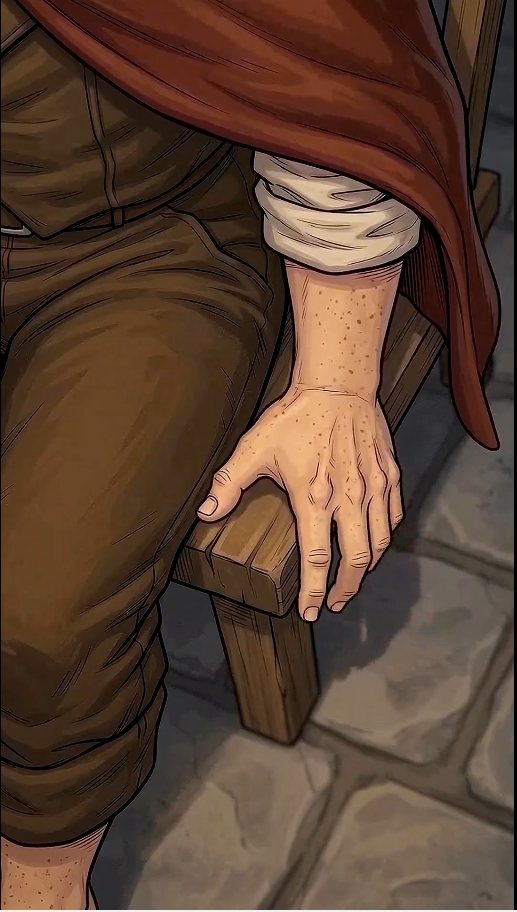
- Look: photoreal, or animated in comic book, 3D or painterly styles.
- Cast: up to 2 consistent characters held through every shot.
- Included: generation, edit, sound design and colour grade.
- Changes: 1 revision.
- Rights: full commercial usage rights on delivery, with no time limit.
- Languages: we make vertical drama in 19 languages with voiceover, lip sync and subtitles. Extra language versions are priced in the quote.
Every price is negotiable before work begins. Episodes after the pilot are priced per episode, and a full series is negotiable on the episode count. Full prices for every package are on the pricing page.
What the market pays for a microdrama
Published budgets for live action microdramas in 2026:
- $150,000 to $200,000 for a typical series, with episodes of about two minutes, says Timothy Yeoh of COL Group, which runs the FlareFlow app (The Drop, August 2026).
- $150,000 to $300,000 for a traditional season, from industry reporting gathered by invideo, which also logged an AI made run at about $1,000 an episode (invideo, July 2026).
- ₹15 to 20 lakh for a traditional Indian microdrama series, says Mohalla Tech, owner of Quick TV, which expects AI to cut its production cost by about 70% (Outlook Business).
These are season budgets for shoots with a cast, a crew and locations. An AI pilot leaves out the shoot, which is where most of that money goes. Writing, direction, generation and the edit still take real work, and the pilot price pays for that work.
A live action season starts near $150,000.
An AI pilot starts at $300 for one episode.
What moves the price inside the range
- Length. A one minute episode needs fewer shots, less generation and a shorter edit than a three minute one.
- Cast. One or two consistent characters sit inside the range. Every extra character who must look the same in every shot adds work.
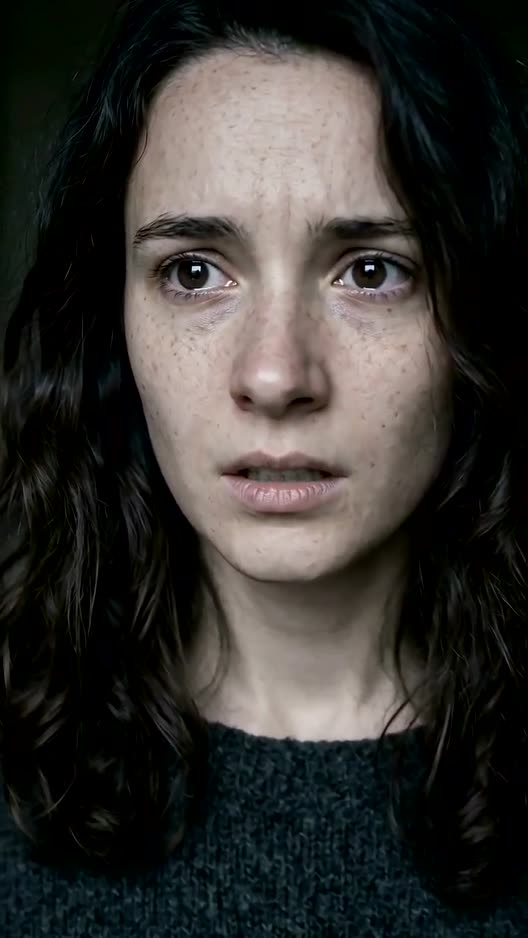
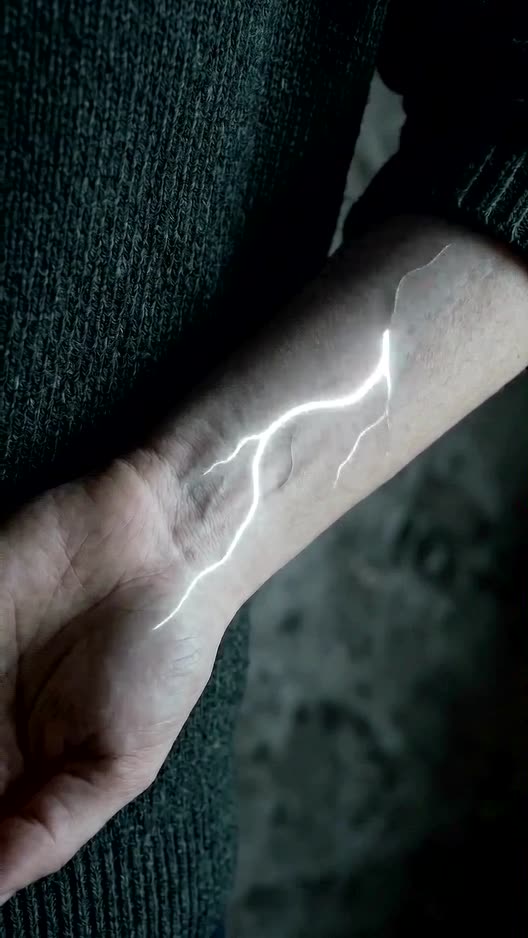
- Detail. Photoreal close ups of faces and hands take the most attempts to get right. Crowds, action and many settings take more shots.
- Script. A settled script costs less than a story still being worked out. No script yet? We build one together before anything is generated.
- Sound and languages. Lip sync, custom music and extra language versions add to the quote.
How to keep a pilot inside budget
- Settle the script before generation starts and agree changes at script stage.
- Keep the pilot to two main characters. Add the wider cast in later episodes.
- Pick one look and one language for the pilot. Add language versions once the pilot works.
- Start with the free sample of one scene, so you judge the quality before you pay for an episode.
What to ask any studio before you pay
- Will the same faces carry into episode two? A pilot is only useful if the cast can hold across a season. Our method is in keeping characters consistent in AI video.
- How many revisions are included? Ours is 1 per episode.
- What do I own on delivery? Ask for full commercial rights with no time limit, in writing.
- Can I see a full episode? Public openings show the craft. Ask to see a full episode privately before you sign.
- What does each episode cost after the pilot? Agree the per episode price before the season starts.
See what a pilot opening looks like
The Last Bloom case study breaks down the opening of a realistic AI microdrama shot by shot: a threat, a secret and a question before the title card. Both of our public openings, one realistic and one animated, play on the microdramas page. Message us on WhatsApp and we share the full episodes privately.
Questions