Why beauty creative wears out
A beauty brand running paid social needs new ads every few weeks, because the audience stops reacting to the ones it has already seen. Each new creator video means another shoot, another product shipment and often another face.
Cheap AI ads solve the speed and break the brand. The presenter changes from ad to ad, the label on the bottle drifts between shots, and the skin looks better than any product could make it. A set like that reads as five different brands.
One face, one bottle, every version
We fix the cast and the product before anything is generated. The same presenter, with the same skin tone and hair, carries every ad in the set. Your packaging is rebuilt from your photos and checked shot by shot, so the label, cap and colour match the product on the shelf.
That consistency is what lets you test. When only the hook changes between two ads, the result tells you something about the hook.
When only the hook changes, the test tells you something.
What beauty brands ask for
- Routine and first impression ads. UGC style videos in 9:16: the unboxing, the first use, the morning routine, paced for the first two seconds and captioned.
- Texture and ingredient films. Macro shots of a serum drop, a cream swirl, a lather or a balm melting, with the ingredient story told in a few lines.
- Founder and origin films. Where the brand started, told as a 60 to 90 second brand film for the site and for top of funnel ads.
- Hook variants. One concept with three to five openings and two lengths, so you learn which angle works before you scale it.
- Language versions. The same ad in Arabic for the Gulf, or in Spanish, French, German or Korean, with voiceover, lip sync and subtitles.
Claims you can stand behind
AI makes it easy to show a result that a product cannot deliver. Advertising rules treat that as misleading however the ad was made. UK guidance says an after image should be representative of what customers can generally get from the product, and that the advertiser stays responsible for AI output used in its ads. So every script follows a few rules:
- You send the claims you can make, and we write the script around those claims only.
- Generated skin is used for mood and routine. It is never shown as proof of a product result.
- Before and after visuals come only from real photos you supply, with permission.
- Presenters are made and labelled as UGC style creative. They are never written as real customers, and testimonials are never invented.
- Cosmetic wording stays cosmetic. Words that sound like treatment, such as heals, cures or repairs, are flagged before the script is approved, because in the US they can turn a cosmetic claim into a drug claim.
We are a production studio, and final claim approval sits with you or your regulatory adviser. We keep the wording easy to check.
The proof
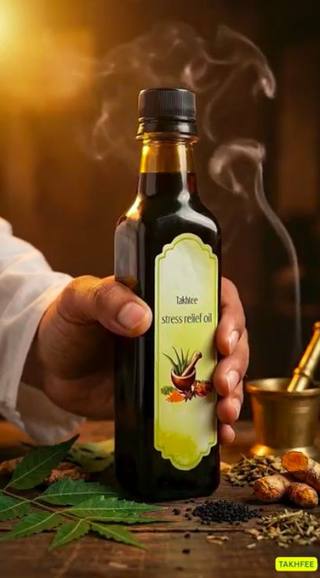
We made a UGC unboxing for Makeup Chari around a CeraVe product reveal, and a product ad for Takhfee stress relief oil, built portrait first and slow, with the product as the hero. The Organikaon concept films show a Vitamin C serum and an animated skincare world. See the work.
The free sample film shows one film in English, Spanish, Arabic and Bangla, the way a beauty ad would run across markets.
What it costs
- Short ad, 15 to 30 seconds. $100 to $300.
- Brand film, 60 to 90 seconds. $200 to $600.
- Monthly batches of ads. Retainer priced on volume, by quote.
Every package includes 1 revision. Extra language versions are priced in the quote. See every price.
How to start
Send product photos (front, back, label and in use), the claims you can make, two ads you like and the markets you sell in. If you want to see the work on your own product first, ask for a free sample. For the ad formats in more detail, see UGC and product videos. Selling across many products and marketplaces? See AI video for ecommerce brands.
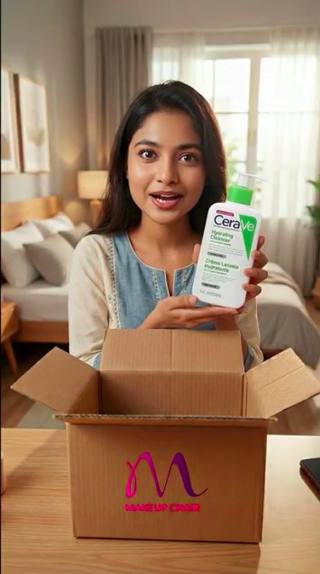 Makeup Chari UGC unboxing, built around a CeraVe product reveal