Brand films & explainers.
Most explainer videos list features. People remember stories.
Who this is for
SaaS platforms, startups, tech companies and the agencies serving them.
If you have a product that takes a minute to explain and a homepage that isn't doing it, this is the format.
It suits products where the value is a change in someone's situation rather than a spec — onboarding, workflow, learning, anything where the "before" matters.
What you get
- A written script and storyboard before anything is generated
- Characters that stay consistent shot to shot and video to video
- Grading matched to your brand — palette, typography, pacing
- Voiceover and lip-sync, including localised scripts
- Delivery in 16:9 and 9:16, framed for each rather than cropped
A story tells them what it changes.
How it worked for MyThorneAI
 Work simulation
Features, arriving inside a story
MyThorneAI has several distinct features — work simulation, speech coaching, CV building, sector training. A conventional explainer would walk through each in turn.
Instead the brand film follows a student. Each feature appears at the moment she needs it, so the viewer understands the product by watching it solve something.
Building a startup or SaaS product? See how this works for you →
 Speech coaching
Ten videos, one cast
Ten-plus videos followed in landscape and portrait, with the same characters throughout — so the set reads as one campaign rather than a folder of clips.
Why no shoot day matters here
Product stories change. A feature ships, positioning shifts, a competitor moves. With conventional production a revision means recalling a crew and a location. Here it means a new generation pass.
Brand video can keep pace with a product roadmap instead of lagging a quarter behind it.
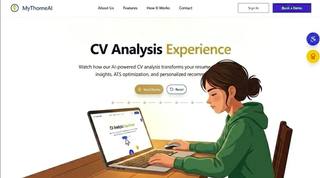 CV builder
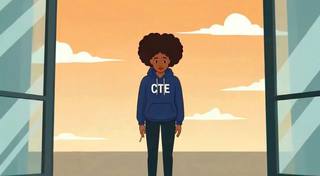 Sector focus
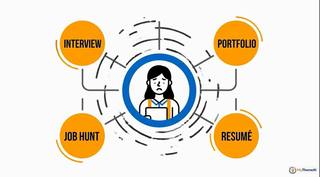 Promo cut
 Portrait cut
Questions
Yes. Palette, typography, tone and pacing are set from your guidelines before generation starts, and the work is graded to match your existing material.
Yes. Character consistency across shots and across separate videos is core to the process, proven across a 40-plus episode series where the same characters recur throughout.
Usually days rather than weeks, because there is no crew scheduling or location booking. The main variable is how settled the script is when we start and how many revision rounds you want.